Figuring out the best ways to maintain your home’s plumbing and avoid costly leakage can save you thousands in emergency repairs. Catching a small drip early prevents structural decay and keeps your water bills from creeping up unexpectedly.
You don’t need a professional license to keep your pipes flowing smoothly. Simple habits protect your whole house.
Know Your Main Water Shut-Off Valve

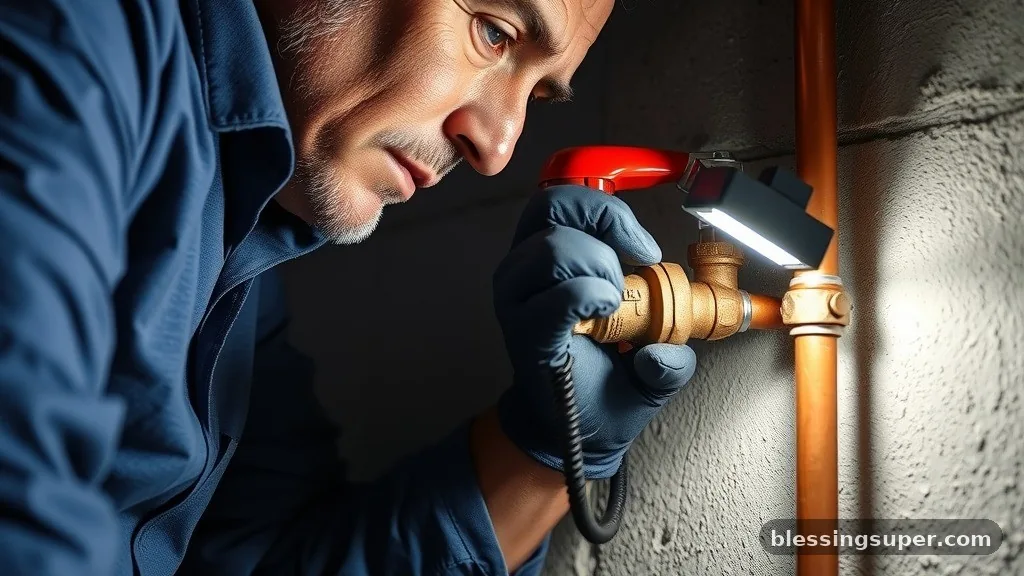
Every homeowner needs to locate the main water shut-off valve immediately. When a supply line bursts, every second counts before indoor flooding ruins your flooring and drywall.
Test this valve twice a year to ensure it turns smoothly. Older gate valves can seize up if they sit untouched for too long. If yours is stiff, spray it with a penetrating lubricant or call a plumber to upgrade it to a modern ball valve.
Make sure everyone in the household knows where this valve sits. Label it clearly with a bright tag so guests or older children can find it in a panic. Fast action stops minor issues from turning into catastrophic disasters.
What to Do During a Burst Pipe
Shut off the main supply instantly when a pipe gives way. Open the lowest faucets in your house to drain remaining water out of the lines. Call an emergency plumber once the water flow stops and move furniture away from wet spots.
Keep Your Drains Clear of Buildup
Kitchen sinks take a daily beating from grease, coffee grounds, and food scraps. Pouring cooking oil down the drain is a guaranteed way to clog your plumbing system. Fat cools inside the line, solidifies, and catches passing debris until the pipe chokes completely.
Use mesh strainers in every sink to catch food particles before they slip down the drain. Empty these strainers into the trash rather than rinsing them off. A little physical prevention beats chemical drain cleaners every single time.
Harsh chemical cleaners eat away at older metal and PVC pipes over the years. Pour a mix of boiling water, baking soda, and vinegar down your drains monthly instead. This breaks down organic buildup safely without scorching your plumbing.
Watch Your Water Pressure
High water pressure feels great in the shower, but it wrecks your home infrastructure. Pressure exceeding 80 psi stresses washing machine hoses, water heaters, and joint connections until they crack.
Buy a cheap pressure gauge from a hardware store and screw it onto an outdoor hose bib. Turn the spigot fully open to read the static pressure. Adjust your pressure reducing valve if the reading climbs past 75 psi.
A failing pressure reducing valve requires immediate replacement. Ignoring high pressure inevitably leads to pinhole leaks hidden deep inside your walls. Keeping pressure balanced protects every fixture attached to your supply lines.
Inspect Appliances and Water Heaters
Water heaters quietly age in utility closets until they flood the basement. Flush the tank annually to clear out sediment buildup that causes premature tank failure. Check the temperature and pressure relief valve to ensure it isn’t stuck or leaking.
Washing machine hoses deserve close attention every six months. Rubber hoses degrade and balloon over time under constant pressure. Switch them out for braided steel lines that resist bursting.
Inspect underneath every sink in your home with a flashlight. Look for greenish corrosion on copper joints or dampness on wooden cabinet floors. Catching a slow drip beneath a bathroom vanity prevents rotting subfloors.
- Inspect all toilet flappers for cracks or warping every twelve months.
- Test your sump pump before the rainy season by pouring a bucket of water into the pit.
- Insulate exposed basement and garage pipes before freezing winter temperatures arrive.
- Clean aerators on bathroom and kitchen faucets to maintain even water flow.
Compare DIY Fixes Versus Professional Help
Knowing when to pick up a wrench and when to call an expert saves money and prevents injury. Minor tasks like swapping a faucet washer or clearing a P-trap are great weekend projects. Structural repairs involving gas lines or main sewer stacks always require licensed contractors.
For more detailed safety guidelines on home infrastructure, consult resources like the EPA WaterSense program for efficiency tips. Balancing DIY maintenance with professional inspections keeps your system running for decades.
| Maintenance Task | Recommended Frequency | Difficulty Level |
|---|---|---|
| Flush water heater | Annually | Moderate |
| Test shut-off valves | Twice a year | Easy |
| Clean drain traps | Every 3 months | Easy |
| Check water pressure | Annually | Easy |
Frequently Asked Questions
What is the 135 rule in plumbing?
The 135 rule refers to specific drain venting angles and slope calculations used by contractors. It ensures wastewater flows smoothly downward without creating air locks or siphon issues.
What is the most common water leak in a house?
Running toilets are by far the most frequent culprits. A warped flapper valve continuously trickles water from the tank into the bowl, wasting hundreds of gallons daily.
How often should I have a plumber inspect my home?
Homes older than forty years benefit from a professional camera inspection every three to five years. Newer constructions generally only need an inspection if pressure drops or drains slow down.
Can I use chemical drain cleaners safely?
Occasional use is fine for minor hair clogs, but regular use corrodes metal pipes and destroys rubber seals. Mechanical snakes or enzymatic cleaners offer a much safer alternative.
Conclusion
Protecting your home requires steady attention rather than massive, expensive overhauls. Committing to seasonal checks keeps your plumbing system reliable and your budget safe. Start with the easiest tasks today, like locating your shut-off valve and checking under your sinks.
Implementing these simple habits prevents unexpected indoor flooding and extends the lifespan of your fixtures. A little regular effort ensures your home stays dry, safe, and comfortable year-round.

Blessing Super is a passionate writer at BlessingSuper.com, dedicated to sharing insightful and engaging content that inspires and informs readers. With a focus on meaningful topics, Saad aims to create value through clear ideas and thoughtful writing.