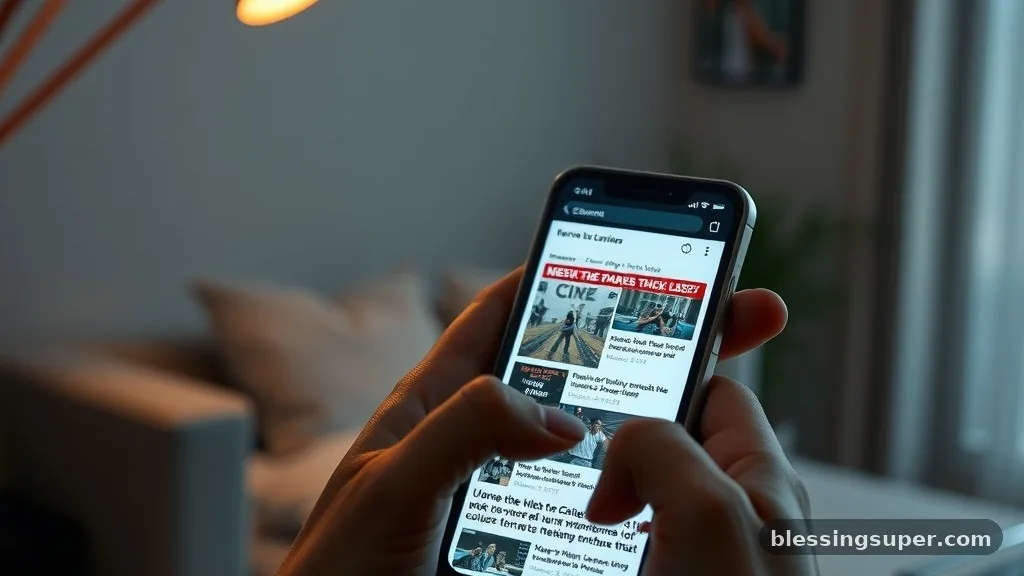
Learning the art of identifying Misleading Headlines on Social Media Before Sharing is essential for maintaining a healthy digital environment. When you take a moment to pause before hitting that share button, you prevent the spread of harmful misinformation that often disguises itself as urgent news. This practice protects your reputation and ensures your social circles receive only accurate, verified information.
By sharpening your critical thinking skills, you gain the confidence to discern between genuine journalism and clickbait designed purely for engagement. You will discover how to evaluate sources, check for emotional manipulation, and verify claims before they reach your feed. Let’s explore how to become a more responsible and discerning consumer of digital content.
Common Red Flags in Viral Headlines
1. The headline uses extreme, all-caps punctuation or excessive exclamation points to manufacture a sense of urgency that demands an immediate reaction.
The simple believes everything, but the prudent gives thought to his steps. This verse reminds us that wisdom requires careful consideration rather than impulsive reactions to sensationalism.
2. Phrases like “You won’t believe what happened” or “This will change everything” are classic indicators of clickbait designed to exploit your curiosity.
If one gives an answer before he hears, it is his folly and shame. Rushing to share based on a vague headline often leads to spreading falsehoods.
3. The headline attacks a specific group or individual with inflammatory language intended to trigger anger rather than inform the reader about facts.
A soft answer turns away wrath, but a harsh word stirs up anger. Headlines that aim to stir up conflict are rarely interested in objective truth.
4. Many misleading headlines lack a byline or attribute the information to an anonymous “insider” to avoid accountability for the claims being presented.
Whoever speaks the truth gives honest evidence, but a false witness utters deceit. Transparency in authorship is a cornerstone of reliable, trustworthy journalism.
5. The text promises a shocking revelation that is nowhere to be found when you actually open the article, proving it was just a traffic trap.
So is the man who deceives his neighbor and says, “I am only joking!” Misleading titles are a form of deception that damages public trust.
Evaluating the Credibility of the Source
1. Check if the website has a professional design or if it is cluttered with suspicious advertisements that suggest the site prioritizes revenue over reporting.
The integrity of the upright guides them, but the crookedness of the treacherous destroys them. Credible sites maintain standards that reflect their commitment to honesty.
2. Look for an “About Us” page that lists real editors, a physical address, and a clear mission statement regarding their journalistic ethics and standards.
A good name is to be chosen rather than great riches. Reputable organizations value their public reputation far more than temporary clicks on a headline.
3. Verify if the domain name is a slight misspelling of a major news outlet, a common tactic used to trick users into thinking they are on a trusted site.
A false witness will not go unpunished, and he who breathes out lies will perish. Using imitation domains is a deliberate attempt to confuse the public.
4. Consult FactCheck.org to see if the organization is known for tracking misinformation or if they are frequently cited in debunking efforts.
A truthful witness saves lives, but one who breathes out lies is deceitful. Relying on established fact-checking resources helps you verify claims before sharing them.
5. Research the author of the piece to see if they have a history of writing credible content or if their profile appears to be generated by bots.
Let another praise you, and not your own mouth; a stranger, and not your own lips. An author’s track record is a primary indicator of reliability.
Detecting Emotional Manipulation Techniques
1. Headlines that play on your deepest fears or insecurities are designed to bypass your logical brain and force an emotional, unthinking response.
A fool gives full vent to his spirit, but a wise man quietly holds it back. Taking a breath helps you resist emotional baiting.
2. Watch for language that frames complex issues as binary, either-or scenarios, which ignores the nuance necessary for a real understanding of the situation.
The one who states his case first seems right, until the other comes and examines him. Always seek the full context behind a claim.
3. Misinformation often uses “us versus them” framing to create tribalism, making you more likely to share content that validates your existing worldview.
The beginning of strife is like letting out water, so quit before the quarrel breaks out. Dividing content often creates unnecessary social friction.
4. Be wary of headlines that claim to reveal a “secret” that “they” don’t want you to know, as this builds a false sense of exclusivity.
Whoever goes about slandering reveals secrets, but he who is trustworthy in spirit keeps a thing covered. Real news is usually public, not hidden.
5. Notice if the headline uses loaded adjectives that imply a moral judgment rather than describing an event in neutral, factual terms.
A dishonest man spreads strife, and a whisperer separates close friends. Neutrality is the best defense against being manipulated by biased language.
Verifying Claims Through Independent Research
1. Perform a quick search for the topic using a different search engine to see if mainstream or multiple independent news outlets are reporting the same story.
Listen to advice and accept instruction, that you may gain wisdom in the future. Multiple perspectives provide a much clearer picture of reality.
2. Check the date on the article because old, outdated news is frequently recycled to create modern outrage, even if the events are years old.
Do not boast about tomorrow, for you do not know what a day may bring. Context is lost when timing is ignored or misrepresented.
3. Look for primary sources, such as official documents, police reports, or government transcripts, rather than relying on a summary provided by a third party.
An intelligent mind acquires knowledge, and the ear of the wise seeks knowledge. Always look for the source of the claim being made.
4. Examine if the article contains direct quotes that can be verified elsewhere, as fake news often invents quotes to support a false narrative.
Lying lips are an abomination to the Lord, but those who act faithfully are his delight. Accuracy in reporting quotes is a basic ethical requirement.
5. Consider if the claim sounds too good or too bad to be true, as misinformation often relies on extreme scenarios that defy common sense.
The simple inherit folly, but the prudent are crowned with knowledge. If a claim feels absurd, it probably requires significant verification before belief.
Developing Responsible Sharing Habits
1. Commit to reading the entire article before sharing it, as many headlines are intentionally misleading and do not reflect the content of the text below.
The beginning of wisdom is this: Get wisdom, and whatever you get, get insight. Reading beyond the headline is the most important step.
2. Ask yourself if your motivation for sharing is to inform others or simply to express your own personal frustration with the topic at hand.
Whoever keeps his mouth and his tongue keeps himself out of trouble. Reflecting on your intent helps prevent the spread of digital clutter.
3. Take the time to report posts that you have confirmed are false or intentionally misleading to help keep your social media environment cleaner for others.
But those who rebuke the wicked will have delight, and a good blessing will come upon them. Helping others avoid misinformation is a service.
4. Be mindful of the images used in the post, as misleading content often pairs real photos with false captions to create a deceptive narrative.
The one who conceals hatred has lying lips, and whoever utters slander is a fool. A deceptive image is just as harmful as a lie.
5. Encourage your friends and family to practice these same habits by calmly sharing what you have learned about identifying misleading headlines on social media.
Iron sharpens iron, and one man sharpens another. Sharing good habits elevates the quality of discourse within your entire social circle.
Frequently Asked Questions
Why do people create misleading headlines?
Most misleading headlines are designed to maximize clicks and ad revenue. By provoking an emotional response, creators ensure more shares and engagement, which fuels the site’s profitability.
Is it ever okay to share a headline I haven’t read?
Sharing without reading is a primary driver of misinformation. Even if the topic seems important, you risk spreading false claims that could harm your own credibility and confuse others.
How can I tell if a video is intentionally misleading?
Video content often uses out-of-context clips or edited audio to change the meaning of a speech. Always look for the full, uncut version of the footage if possible.
Does the number of shares make a story more likely to be true?
No, the popularity of a post has no correlation with its accuracy. Misinformation often spreads faster than truth because it is designed to be more shocking and divisive.
What should I do if I accidentally shared fake news?
The best approach is to delete the post once you realize it is false and, if necessary, post a quick correction to let your followers know the truth.
Conclusion
Developing the habit of identifying Misleading Headlines on Social Media Before Sharing is a powerful way to reclaim the quality of your digital interactions. When you prioritize accuracy over speed, you contribute to a more informed community and protect yourself from being used as a tool for misinformation. Remember that every click and share is an endorsement, so choose to support content that respects your intelligence and adheres to the truth.
By applying these simple checks—verifying sources, questioning emotional triggers, and reading beyond the surface—you become a guardian of truth in your own corner of the internet. Start small today by pausing just a few seconds longer before you click. Your diligence makes a meaningful difference in the health of our shared information landscape.

Blessing Super is a passionate writer at BlessingSuper.com, dedicated to sharing insightful and engaging content that inspires and informs readers. With a focus on meaningful topics, Saad aims to create value through clear ideas and thoughtful writing.