Finding the perfect approach to decorating Empty Corner in Living Room Without Expensive Furniture can turn a neglected spot into your favorite part of the house. We often overlook these awkward angles, but they offer a unique opportunity to add personality without breaking the bank. By using simple items you likely already have or can source cheaply, you can transform these overlooked gaps into functional, beautiful displays.
This guide provides actionable steps to refresh your space while keeping your wallet happy and your style intact. You’ll soon see how these small adjustments make a significant impact on your home’s overall flow.
Create a Vertical Green Oasis
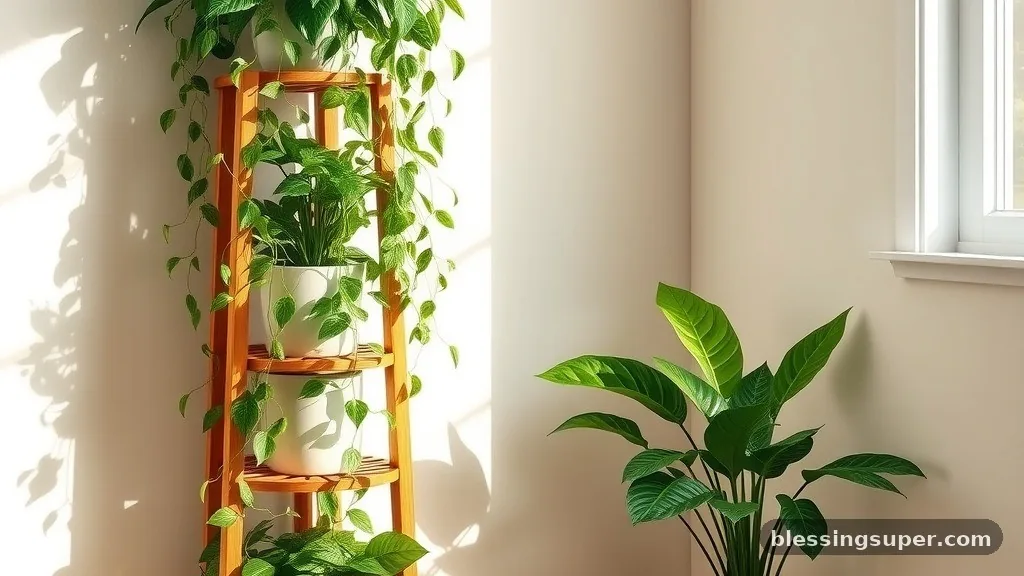
Plants are perhaps the most effective way to fill a void in a room corner because they bring life and organic texture to otherwise sterile architecture. You don’t need to buy a massive, overpriced statement tree from a high-end nursery to make an impact. Instead, consider layering plants of different heights to create visual interest.
Start with a tall, inexpensive plant like a snake plant or a zz plant, which are hardy and thrive in lower light. Place it on a simple, affordable wooden stool or a stack of sturdy vintage books to give it the height it needs to fill the vertical space.
The key to success here is varying your levels. A single plant on the floor can look a bit lost, but a cluster of three plants—one tall, one medium, and one small—creates a lush vignette that feels intentional. If you are worried about the mess, use decorative baskets to hide the plastic nursery pots.
You can often find these at thrift stores or discount home retailers for just a few dollars. Avoid the common mistake of overcrowding the area so much that it feels like a jungle; you want to leave enough breathing room so each plant can be appreciated individually.
Design a Cozy Reading Nook
If you have a bit of extra floor space, turning a corner into a dedicated reading spot is a classic move that adds both function and charm. You don’t need a designer armchair to make this work. A simple, comfortable floor cushion or a thrifted chair with a fresh throw blanket can serve as the centerpiece.
Add a small basket nearby to hold a few books or magazines, which keeps the area tidy while signaling its purpose. This transformation is about creating a sense of retreat, even if it is just in a small, tucked-away area of your living room.
Lighting is crucial when you are trying to make a small nook feel inviting. If you don’t have an outlet for a floor lamp, consider hanging a simple pendant light or using a battery-operated wall sconce that doesn’t require hardwiring.
These wireless options have become much more affordable recently and provide that warm, soft glow that makes a reading space feel luxurious. A common mistake is forgetting to ground the area with a small rug; adding a circular or sheepskin rug helps define the space as its own “zone” rather than just a chair shoved into a corner.
Build a Curated Display Shelf
Wall-mounted shelves are an inexpensive way to draw the eye upward and utilize the wall corner effectively. Instead of buying a bulky, expensive corner cabinet, look for floating corner shelves that attach directly to the wall. These units are often modular and can be arranged in a pattern that fits your specific needs.
Keep your display focused by grouping items by color or texture, which makes even inexpensive trinkets look like a high-end gallery collection. This is your chance to show off travel souvenirs, family photos, or thrifted pottery.
When styling these shelves, remember the rule of thirds: group items in odd numbers to create a more natural, balanced look. Don’t feel pressured to fill every single inch of the shelf. Leaving some negative space allows the eye to rest and makes the display feel curated rather than cluttered.
A frequent error is mounting shelves too high or too low. Aim for eye level so the objects are easy to see and appreciate while you are sitting down. For more inspiration on how to arrange small items effectively, check out these shelf styling tips from Architectural Digest to refine your eye for detail.
Construct a Simple DIY Plinth or Pedestal
If you have a piece of art or a sculptural object that you want to highlight, a DIY plinth is a fantastic, budget-friendly solution. You can easily build a basic box frame out of plywood or even repurpose a sturdy wooden crate. Paint it a bold color to make it pop, or keep it neutral to let the object on top shine.
A plinth acts as a pedestal, elevating a simple item into a piece of art. It creates a sense of importance in the room corner and prevents the object from looking like it was just dumped on the floor.
This approach works particularly well for items like large candles, geometric sculptures, or even a unique vase. Because the plinth itself is simple to construct, you can tailor the dimensions perfectly to the width of your corner. Avoid making the plinth too wide; it should be just large enough to support the item.
If you make it too bulky, it will look like a piece of furniture that doesn’t fit rather than a deliberate display choice. The goal is to create a clean, architectural line that draws the eye toward your chosen focal point.
Utilize a Mirror to Expand the Space
Mirrors are a clever trick of the trade because they reflect light and create the illusion of more room, which is especially helpful if your living room feels a bit cramped. Instead of buying a large, heavy floor mirror, look for a tall, slender leaner mirror. You can often find these at secondary markets or during sales events.
By placing a mirror at an angle in the corner, you effectively double the visual depth of that space. This makes the entire room feel larger and brighter, turning an empty void into a functional light source.
If a large mirror isn’t in your budget, a collection of smaller, mismatched mirrors can create a beautiful, eclectic effect on the wall. Group them in a cluster to reflect different parts of the room. This approach is much cheaper than buying one large piece and allows you to build your collection over time.
The main mistake to avoid is placing a mirror where it reflects something you don’t want to see, like the back of a television or a messy storage bin. Take a moment to sit in your favorite chair and see exactly what the mirror will capture before you commit to the placement.
Create a Functional Home Office Station
In many modern homes, we are all looking for more ways to incorporate a workspace without dedicating an entire room to it. A corner can be the perfect spot for a compact, wall-mounted drop-leaf desk. When you aren’t working, the desk folds down against the wall, taking up almost zero floor space.
This is a brilliant way to make your living room work harder for you. You don’t need an expensive office chair either; simply pull over a dining chair when you need to get things done, and return it to the table when you are finished.
To keep this corner from looking like a messy office, use a decorative box or a small basket to store your laptop and cords when the day is done. Keeping your workspace tidy is essential because a cluttered desk will quickly make the entire living room feel chaotic. A common mistake is failing to provide adequate light for tasks.
Even a simple clip-on lamp that attaches to your desk or a nearby shelf can make a world of difference for your productivity. By integrating these small elements, you turn a dead corner into a highly productive hub.
Frequently Asked Questions
How do I know if a corner is too small for furniture?
If a piece of furniture blocks a walkway or prevents you from fully opening a door or cabinet, it is likely too large for that spot. Always use painter’s tape on the floor to outline the footprint of the item before you buy or build anything; this helps you visualize how it impacts the flow of the room.
Can I use large art in a small corner?
Yes, using one large piece of art in a corner can actually make a small space feel bigger by creating a bold focal point. Avoid cluttering the wall with many small frames if you decide to go with one large piece, as this keeps the aesthetic clean and intentional.
What if my corner has an awkward vent or outlet?
Work around these features rather than trying to hide them completely. A tall plant can easily mask a vent without blocking airflow, and an outlet is actually a benefit if you want to add a lamp or a small charging station for your devices.
Is it okay to leave a corner empty?
Absolutely. Not every corner needs to be filled, especially if your living room already has plenty of texture and interest. Sometimes, an empty corner provides a necessary visual “break” that keeps a room from feeling overwhelming or claustrophobic.
How do I keep corner decor from looking like clutter?
The secret is to give every item a purpose or a specific aesthetic connection to the rest of the room. If you are grouping items, use a tray or a rug to anchor them so they feel like a single, cohesive display rather than a collection of random objects.
Closing Thoughts
Transforming your living space doesn’t require a massive budget or a complete overhaul. By focusing on these simple, creative strategies for decorating Empty Corner in Living Room Without Expensive Furniture, you can add warmth and utility to the most neglected parts of your home. Whether you choose to bring in nature with plants, create a cozy reading nook, or install smart vertical storage, the goal is to make the space feel like a natural extension of your personality.
Start with one corner this weekend and see how it changes the feel of your room. I would love to hear which of these ideas you decide to try, so feel free to share your progress or ask any follow-up questions you might have.

Blessing Super is a passionate writer at BlessingSuper.com, dedicated to sharing insightful and engaging content that inspires and informs readers. With a focus on meaningful topics, Saad aims to create value through clear ideas and thoughtful writing.