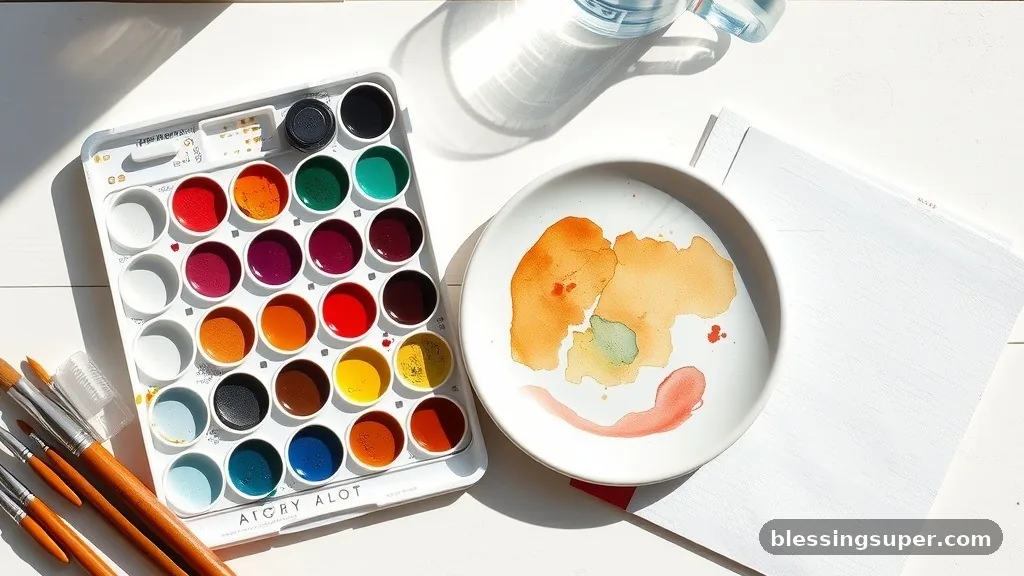
Finding the right creative spark is often the biggest hurdle when you are starting out with art. These 15 easy watercolor painting ideas for absolute beginners provide a low-pressure way to practice your brush control and color mixing without needing years of experience.
Whether you have never touched a palette or are returning to a hobby after a long break, focusing on simple shapes and fluid techniques will build your confidence quickly. By starting with these manageable projects, you will learn how water interacts with pigment on paper while creating something you can actually hang on your wall.
The Top 15 Simple Projects
If you are looking for a specific list to get started immediately, these projects focus on fundamental watercolor properties like transparency and layering. You do not need expensive supplies to see results with these ideas. Focus on the process rather than perfection, as watercolor thrives on happy accidents and flowing pigments.
- Monochromatic mountains using a single blue shade.
- Simple succulent plants with soft green washes.
- A minimalist night sky using wet-on-wet stars.
- Loose floral bouquets using only three colors.
- Striped geometric patterns with masking tape.
- A bowl of citrus slices showing color gradients.
- Floating jellyfish using thin, watery lines.
- Sunset reflections over a calm, flat lake.
- A field of poppies created with small, quick dabs.
- A single feather showing delicate color transitions.
- Abstract circles overlapping to create new hues.
- A rainy window scene with blurred color streaks.
- A pine forest silhouette against a light wash.
- A simple butterfly using symmetrical color blooms.
- A cup of hot tea with rising, wispy steam.
Understanding Your Essential Materials
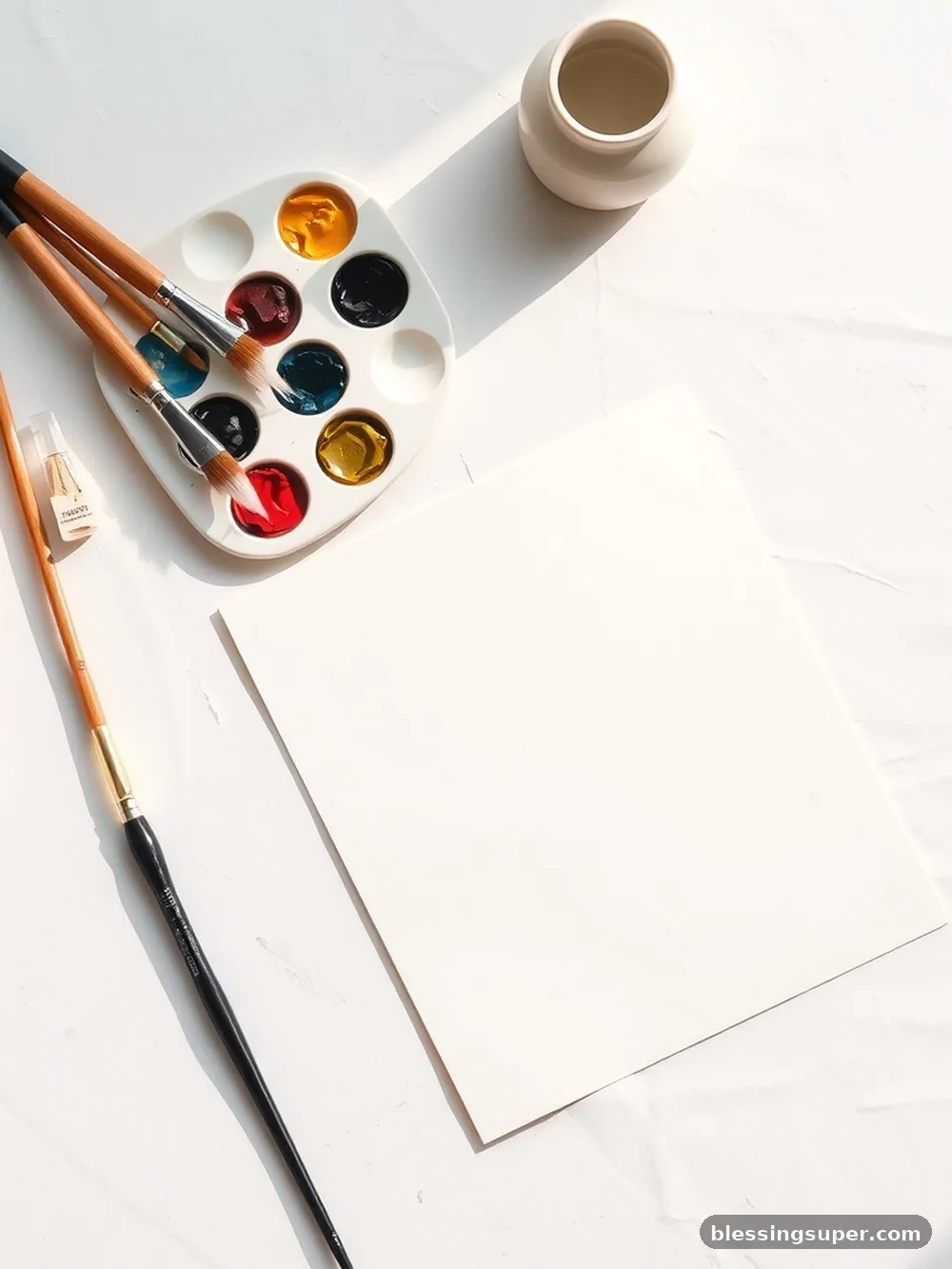
To begin your watercolor journey, you only need a few core supplies. Quality matters more than quantity, so prioritize a small set of professional-grade pigments over a massive set of low-quality, chalky paints. A basic round brush in a size 6 or 8 is versatile enough for almost all the ideas listed above.
Always use cold-press watercolor paper that is at least 140lb or 300gsm. Thin printer paper will buckle and tear when it gets wet, which makes learning the craft unnecessarily frustrating. You can find more details on selecting the right tools by visiting the Tate museum’s guide to watercolor for historical and technical context.
Mastering the Wet-on-Wet Technique
This technique is the heart of watercolor painting and creates those beautiful, soft edges you see in professional work. Start by wetting your paper with a clean brush and plain water until it has a slight sheen. Drop a small amount of pigment into the damp area and watch how the color travels across the surface.
Because the paper is already saturated, the paint will spread in unpredictable, organic ways. This is perfect for painting skies, water, or soft backgrounds for your flowers. Keep a paper towel handy to dab up any excess water if the paint starts to bleed into areas where you do not want it.
Controlling Color with Wet-on-Dry
When you want crisp edges or specific shapes, use the wet-on-dry method. This involves applying your wet brush loaded with paint onto dry paper. The result is a sharp, controlled line that stays exactly where you put it.
This is essential for the final details of your paintings, such as the stems of flowers or the sharp peaks of a mountain range. By alternating between wet-on-wet for backgrounds and wet-on-dry for details, you add depth and structure to your work. This combination is the secret to making simple subjects look intentional and finished.
Comparing Painting Approaches
Different approaches yield different results depending on how much water you incorporate into your workflow. Understanding the difference between a thin wash and a concentrated pigment load will change how your final piece looks. The following table breaks down these common methods for your reference.
| Technique | Water-to-Paint Ratio | Best Used For |
|---|---|---|
| Flat Wash | High water, low paint | Solid backgrounds and skies |
| Glazing | Medium water, thin layers | Building depth and shadows |
| Dry Brush | Low water, high paint | Adding texture and grit |
| Wet-on-Wet | High water, high paint | Soft gradients and clouds |
Building Confidence Through Repetition
One of the biggest mistakes beginners make is trying to create a masterpiece on their first attempt. Instead, treat your paper like a laboratory where you test how different colors interact. Try painting the same simple leaf or circle ten times in a row.
You will notice that your tenth attempt is significantly better than your first because your hand has learned the necessary pressure. This repetitive practice is how you build muscle memory for controlling your brush. Do not worry about “wasting” paper; consider it an investment in your artistic education.
Common Questions About Watercolor
How do I stop my paper from warping?
The best way to prevent warping is to tape your paper down to a hard board using artist tape on all four sides. Let the paper dry completely before removing the tape, which keeps it flat and creates a clean white border around your finished work.
Why does my paint look muddy?
Muddy colors usually happen when you mix too many colors together at once or overwork an area while it is still damp. Stick to using only two or three colors per painting to keep your palette clean and vibrant.
What is the best way to clean my brushes?
Rinse your brushes in clean water immediately after use and reshape the bristles with your fingers before laying them flat to dry. Never leave a brush sitting in a jar of water, as this will ruin the shape of the tip permanently.
Should I buy a tube or pan set?
Pan sets are generally better for beginners because they are portable and easy to manage. Tube paints are wonderful for larger projects where you need a high volume of pigment, but they can be messy for someone just starting out.
How do I correct a mistake?
If the paint is still wet, you can sometimes lift it off by dabbing the area with a dry paper towel or a clean, damp brush. Once the paint has dried, it is much harder to remove, so it is often better to work the mistake into the design.
Refining Your Creative Practice
Exploring these 15 easy watercolor painting ideas for absolute beginners is just the start of your artistic journey. Once you feel comfortable with the basic techniques, you can begin to experiment with more complex subjects like portraits or detailed landscapes. Remember that the goal is not to produce perfect gallery art, but to enjoy the fluid nature of the medium.
Keep your supplies organized and your workspace ready so you can paint whenever inspiration strikes. By dedicating even fifteen minutes a day to playing with color and water, you will see your skills improve rapidly. Share your progress with friends or join a local group to stay motivated as you continue to develop your unique style.

Blessing Super is a passionate writer at BlessingSuper.com, dedicated to sharing insightful and engaging content that inspires and informs readers. With a focus on meaningful topics, Saad aims to create value through clear ideas and thoughtful writing.