
Achieving a flawless, skin-like finish that lasts from morning to night is the goal for most beauty enthusiasts. If you find yourself struggling with a heavy, textured finish, you are certainly not alone in your quest for preventing Makeup From Looking Cakey All Day.
The secret usually lies not in buying more expensive products, but in how you prepare your canvas and the specific techniques you use to layer them. By focusing on hydration, thin application, and strategic setting, you can easily shift from a patchy, dry appearance to a smooth, radiant complexion that stays put without settling into fine lines.
Prioritize Skin Preparation
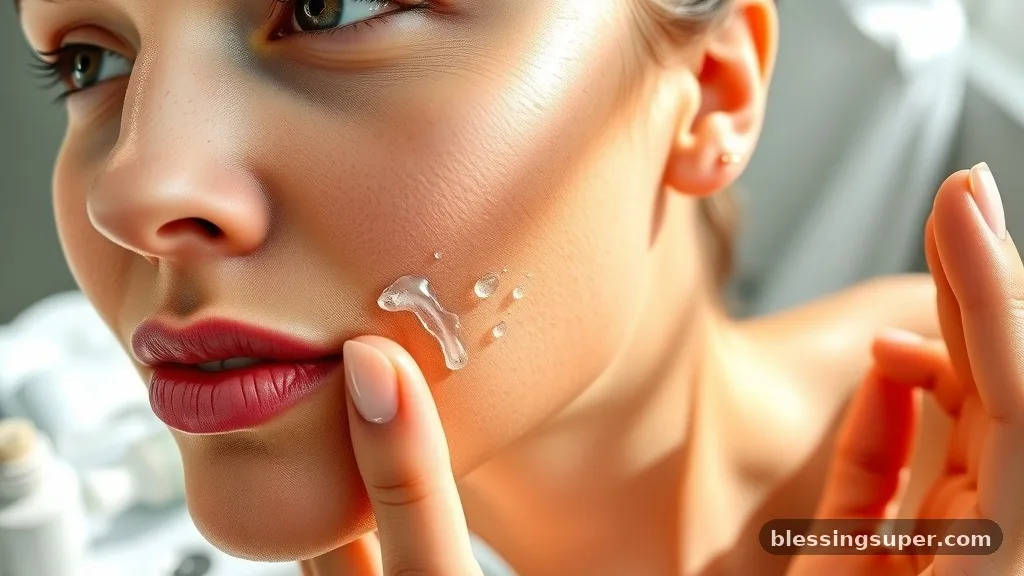
The most common reason for a textured finish is applying pigment directly onto dehydrated or uneven skin. Your face acts like a canvas; if the surface is dry or rough, the foundation will cling to those patches rather than sitting smoothly on top.
Start your routine by gently exfoliating once or twice a week to remove dead skin cells that cause product buildup. When you skip this step, your base has nowhere to sit except on top of flaky areas, which immediately creates that dreaded heavy look.
Hydration is your best friend when it comes to long-term wear. Use a lightweight, water-based moisturizer that absorbs quickly, allowing at least three minutes for it to sink in before you reach for your primer. If you apply your base while your moisturizer is still tacky, the products will slide around and mix unevenly.
For those with oily skin, look for humectant-rich ingredients like hyaluronic acid to provide moisture without adding extra oil. This simple habit is fundamental for preventing Makeup From Looking Cakey All Day.
Choose the Right Primer
Many people treat primer as an optional step, but it is actually the bridge between your skincare and your color cosmetics. A good primer creates a smooth barrier that fills in pores and blurs fine lines, preventing your foundation from sinking into them. However, you must match your primer to your foundation’s base.
If your foundation is water-based, use a water-based primer; if it is silicone-based, stick to a silicone primer. Mixing these two can cause the product to pill or separate, which is a fast track to a cakey finish.
When applying your primer, focus only on the areas where you need it most, such as the T-zone or around the nose. Applying a thick layer of primer all over your face can actually create more texture rather than fixing it.
A pea-sized amount is usually plenty to cover the face effectively. If you use too much, it creates a slip that prevents your foundation from gripping the skin, leading to premature fading and patches that look like they are sliding off your face.
Apply Foundation in Thin Layers
The mistake most people make is pumping too much product onto their brush or sponge at once. Instead of trying to cover every blemish with one thick layer of foundation, start with a tiny amount and build it up only where necessary.
Use a damp beauty sponge to press the product into your skin rather than dragging it across the surface. Pressing, or “stippling,” ensures that the pigment bonds with your skin rather than sitting on top of it like a mask.
Focus your coverage on the center of the face and blend outward toward the hairline and jaw. You often need less coverage on the perimeter of your face, so let the product thin out as you reach the edges.
If you have specific spots or blemishes that need more coverage, use a small, pointed concealer brush to spot-conceal after the foundation is applied. This method keeps the overall look natural and prevents the heavy, suffocating feeling that often leads to cracking or caking by the afternoon.
Master the Art of Setting
Setting your base is essential for longevity, but over-powdering is the primary culprit behind a dry, cakey appearance. Avoid using a large, fluffy brush to pack powder all over your face, as this can deposit too much product into fine lines.
Instead, use a small, dense brush or a soft powder puff to press a translucent, finely-milled powder only into the areas that tend to get oily, like the forehead, nose, and chin. By keeping the rest of your face lightly set or even slightly dewy, you maintain a more realistic, skin-like texture.
If you find that your under-eye area looks particularly dry, skip the heavy powdering there entirely. A very light dusting is all that is required to prevent creasing.
You can also use a setting spray to melt the layers of makeup together, which removes the powdery finish and restores a natural glow. According to resources like the American Academy of Dermatology, keeping your skin barrier healthy is the best way to ensure any product applied on top looks its best throughout the day.
Compare Application Tools
The tool you choose significantly changes how your makeup sits on your skin. Different applicators provide different levels of coverage and finish, which directly impacts the likelihood of your makeup looking heavy.
| Applicator | Coverage Level | Finish Result |
|---|---|---|
| Damp Beauty Sponge | Sheer to Medium | Natural, dewy, skin-like |
| Flat Foundation Brush | Full | High-coverage but prone to streaks |
| Kabuki Brush | Medium to Full | Airbrushed and buffed |
| Fingertips | Light | Warmth helps product melt into skin |
Troubleshoot Common Issues
If you notice your makeup breaking down or looking cakey by mid-day, there are a few quick fixes you can try. Never add more powder to an area that is already looking heavy, as this will only make the texture more pronounced.
Instead, take a clean, damp sponge and gently tap over the area to lift away excess product and re-blend the existing layers. This trick can often refresh your look without requiring a full re-application.
Another common issue is the use of expired products. Makeup has a shelf life, and old formulas can change consistency, becoming thick or separating in the bottle. Check the back of your products for the “period after opening” symbol, which usually indicates how many months a product is safe to use.
If your foundation has started to smell different or has an uneven texture, it is likely time to replace it. A fresh product will always apply more smoothly than one that has begun to degrade.
- Exfoliate your skin gently to remove dry, flaky patches.
- Allow your moisturizer to fully absorb before applying foundation.
- Match the base of your primer to your foundation (water vs. silicone).
- Apply foundation in thin, buildable layers using a damp sponge.
- Use powder sparingly, focusing only on the high-oil zones.
- Refresh your look mid-day with a damp sponge rather than adding more powder.
Frequently Asked Questions
Why does my makeup look better after a few hours?
This happens because your skin’s natural oils have had time to mix with the pigments in your makeup. This process, often called “settling,” helps the powders and liquids meld into a more cohesive, skin-like finish. You can mimic this effect immediately by using a fine-mist setting spray to help the layers bond together.
How can I tell if my foundation is too heavy?
If you can see the texture of the product on your skin from a normal conversational distance, it is likely too heavy. A well-applied base should look like skin, not a layer of paint. If you see settling in your pores or lines within an hour of application, you are likely using too much product or not blending it thoroughly enough.
Does the order of applying liquid and powder matter?
Yes, the order is critical. You must always apply liquid and cream products before any powders.
If you try to apply a liquid foundation over a set face, it will grab the powder and create a patchy, muddy texture. Always finish your routine with the lightest possible dusting of powder to set the look.
Can I prevent cakey makeup if I have dry skin?
Absolutely, but you must focus entirely on hydration. Use a rich moisturizer and a hydrating primer, and try to avoid powders altogether.
If you must use powder, stick to a very small amount on the center of the face only. Opt for cream-based blushes and bronzers, as these will sit much better on dry skin than powder versions.
Why does my makeup look cakey under my eyes?
The skin under your eyes is much thinner and more prone to movement than the rest of your face. Using a heavy, full-coverage concealer is often the cause of the caking.
Try using a lighter, more hydrating concealer formula and apply it only to the inner corner where the darkness is most concentrated. A tiny amount of finely-milled setting powder is all you need to keep it from creasing.
Achieving a smooth complexion is about understanding your skin’s needs and adjusting your routine to match. By focusing on hydration, applying your base in thin layers, and using powder with precision, you can easily master the art of preventing Makeup From Looking Cakey All Day. Remember that less is often more when it comes to long-wear products.
If you take the time to prep your skin properly and use the right tools for your specific skin type, you will find that your makeup stays fresh and radiant throughout the day. Experiment with these steps and observe how your skin reacts, as finding your perfect routine is a journey of small, consistent improvements.

Blessing Super is a passionate writer at BlessingSuper.com, dedicated to sharing insightful and engaging content that inspires and informs readers. With a focus on meaningful topics, Saad aims to create value through clear ideas and thoughtful writing.